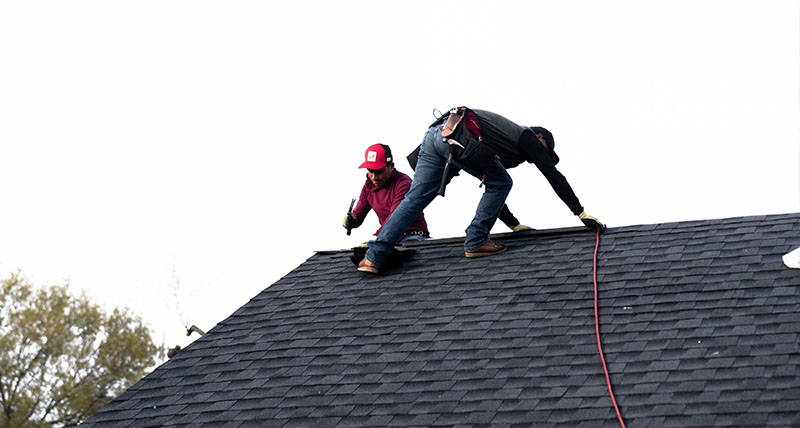
Quick answer: Asphalt shingle roofing remains the most widely used residential roofing material in the U.S. because it balances affordability, durability, and visual versatility. How long an asphalt shingle roof lasts depends on shingle type, installation quality, local weather, and maintenance—typically ranging from 15 to 30+ years.
Walk through almost any neighborhood in Cypress, TX, and you’ll spot the same pattern on rooftops: asphalt shingles. They come in dozens of colors, hold up reasonably well against Texas heat and storms, and cost significantly less than metal, tile, or slate alternatives. For homeowners weighing their options, that combination is hard to beat.
Asphalt shingle roofing has held its place as the most commonly installed residential roofing material in the United States for decades. That staying power isn’t coincidence. Asphalt shingles deliver a practical balance of performance, appearance, and value that other materials simply haven’t managed to replace—especially in climates like the one Cypress, TX homeowners deal with every year.
This guide breaks down what asphalt shingles are, why so many homeowners choose them, how long an asphalt shingle roof can realistically last, and what local conditions mean for your roof’s performance. It also covers warning signs to watch for and steps you can take to extend your roof’s service life.
What Is Asphalt Shingle Roofing?
Asphalt shingles are roofing panels made from a fiberglass mat base coated with asphalt and topped with mineral granules. The granules protect the asphalt from UV exposure and give each shingle its color and texture.
Two main types are commonly installed on residential homes:
- 3-tab shingles: The traditional, flat design. Lighter and lower in cost, but generally less durable than architectural options.
- Architectural (dimensional) shingles: Thicker, layered construction that mimics the look of wood shake or slate. More wind-resistant and longer-lasting than 3-tab.
Both types come in a wide range of colors—charcoal gray, weathered wood, rustic brown, and more—making it straightforward to coordinate a roof with a home’s exterior trim, brick, or siding.
Why Asphalt Shingle Roofing Is So Popular
Several factors drive the consistent demand for asphalt shingles across the country.
Affordability
Asphalt shingles cost considerably less to purchase and install than metal panels, clay tile, or slate. For homeowners managing a budget, asphalt shingle roofing provides solid performance without the premium price tag of more specialized materials. Repair costs also tend to be lower, since replacement shingles are widely available and straightforward to source.
Versatile Appearance
The range of colors, textures, and profiles available in asphalt shingles gives homeowners real flexibility. Architectural shingles, in particular, create a dimensional look that adds curb appeal without requiring exotic materials. Whether a home is traditional, craftsman, or contemporary in style, there’s an asphalt shingle product that fits.
Durability
Quality asphalt shingles are engineered to handle wind, rain, and moderate impact. Many architectural shingle products carry wind ratings of 110 mph or higher. Choosing a product rated for local conditions—including Texas wind and storm exposure—matters significantly for long-term performance.
Easier Installation and Repairs
Asphalt shingles are widely understood by roofing professionals, which means installation tends to move efficiently. If one section of a roof is damaged by a fallen branch or hail, individual shingles or sections can often be replaced without disturbing the rest of the roof. That repairability is a practical advantage that materials like metal or tile don’t always offer as easily.
How Long Does an Asphalt Shingle Roof Last?
How long an asphalt shingle roof lasts varies considerably depending on several factors. There’s no single answer that applies to every home, every product, or every climate.
Shingle type and quality: Standard 3-tab shingles typically perform for 15 to 20 years under normal conditions. Architectural shingles, which are thicker and more durable, often last 25 to 30 years or more when properly installed and maintained. Premium designer shingles may carry even longer manufacturer warranties.
Installation quality: A roof installed correctly—with proper underlayment, flashing, and ventilation—will consistently outlast one that cuts corners during setup. Poor installation can shorten a roof’s service life by years, regardless of shingle quality.
Ventilation: Attic ventilation directly affects how long an asphalt shingle roof lasts. Inadequate airflow traps heat and moisture, which accelerates shingle deterioration from the inside out.
Weather exposure: Texas weather is hard on roofs. Intense summer heat, UV radiation, heavy rainfall, and periodic hailstorms all wear on asphalt shingles over time. A roof in Cypress, TX faces different stresses than one in a mild coastal climate, and that affects realistic performance expectations.
Maintenance: Roofs that receive regular inspections and prompt repairs consistently outperform those that go years without attention.
Because actual performance depends on this combination of factors, responsible contractors avoid stating a guaranteed lifespan for any individual roof. What matters is matching the right product to local conditions and keeping up with maintenance.
Benefits of Asphalt Shingles for Cypress, TX Homes
Cypress, TX homeowners face a specific set of weather challenges that influence roofing decisions.
Heat and UV exposure: Summer temperatures regularly reach the upper 90s in Cypress, and prolonged sun exposure degrades roofing materials over time. Asphalt shingles with algae-resistant granules and reflective coatings help manage heat absorption and extend shingle life.
Heavy rain and storm activity: Southeast Texas receives significant annual rainfall, and the region sits in a corridor prone to severe storms. Asphalt shingles with proper sealing strips and high wind ratings handle most storm conditions well, though impact-resistant shingles are worth considering in hail-prone areas.
Wind exposure: Many asphalt shingle products are rated for winds up to 110–130 mph, which provides a meaningful buffer during Gulf-driven storm systems.
Attic ventilation: With Cypress summers as hot as they are, attic ventilation isn’t optional—it’s critical. Heat buildup in a poorly ventilated attic shortens shingle life and strains cooling systems. Proper ridge vents, soffit vents, and attic airflow should be part of any roof installation discussion.
Seasonal changes: While Cypress doesn’t experience harsh winters, the shift between hot, humid summers and cooler, wet winters still causes expansion and contraction in roofing materials. Quality shingles handle these transitions better than cheaper alternatives.
Signs Your Asphalt Shingle Roof May Need Attention
Knowing what to look for helps you catch problems before they become expensive repairs. Watch for these warning signs:
- Missing shingles: Gaps in your roof’s surface leave the underlying structure exposed to moisture.
- Cracked, curling, or lifted shingles: These indicate shingles have reached the end of their useful life or have experienced storm damage.
- Granule loss: Finding an unusual amount of granules in gutters or at downspout outlets signals shingle wear. Some granule loss is normal for new shingles, but heavy loss on an aging roof is a concern.
- Water stains on interior ceilings or walls: Staining often points to a slow leak that has already caused some damage inside the home.
- Damaged or missing flashing: Flashing around chimneys, skylights, and roof penetrations is a common entry point for water when it fails.
- Sagging areas: Any section of roof that appears to sag or dip warrants prompt professional evaluation.
- Excessive wear in high-traffic areas: Valleys and areas around penetrations tend to wear faster than the rest of the roof.
If you notice any of these issues, having a professional inspect the roof is the right next step. Some problems are simple repairs; others indicate that a broader evaluation is needed.
How to Get the Most Life From an Asphalt Shingle Roof
Routine care goes a long way toward protecting your investment. Here’s what makes a practical difference:
- Schedule regular roof inspections. Annual or biannual inspections, and one after any significant storm, help identify small problems before they grow.
- Address damage promptly. A missing shingle or cracked section left unrepaired can allow water infiltration that damages decking, insulation, and interior finishes.
- Keep gutters clear. Blocked gutters cause water to back up under shingles and along fascia boards, accelerating deterioration.
- Maintain proper attic ventilation. This is especially important in Cypress, TX, where heat buildup is a year-round concern.
- Watch for storm damage after severe weather. High winds and hail can cause damage that isn’t always visible from the ground.
- Use qualified roofing professionals for all repairs and installations. Work done incorrectly can void manufacturer warranties and create new problems.
Preventive maintenance is far less costly than emergency repairs or premature roof replacement.
Explore Roofing Projects and Services From Adams Roofing, LLC
Adams Roofing, LLC is a GAF Master Elite–certified roofing company serving homeowners throughout Cypress, TX. The team handles residential roof installation, roof repair, and ongoing roof maintenance, with a focus on quality materials and careful workmanship.
If you’re considering a new roof or want to see examples of completed projects in the area, view our roofing project gallery to get a sense of the work Adams Roofing, LLC delivers across the Greater Cypress area.
When Should You Consider Replacing Your Asphalt Shingle Roof?
Repair and replacement decisions should be based on a thorough evaluation, not just a roof’s age. Several factors are worth considering:
Recurring repairs: If the same areas keep failing despite repeated fixes, the underlying issue may be more widespread than isolated patches can address.
Widespread damage: Storm damage, granule loss across large sections, or multiple failing areas often signal that repair isn’t the most practical path forward.
Active leaks and interior damage: Water that has reached interior spaces indicates the roof’s protective function has been compromised. Depending on how far damage has spread, replacement may be more cost-effective than repair.
Overall roof condition and age: An aging roof that has already had significant work done may be approaching the end of its practical service life. That said, age alone doesn’t automatically mean replacement is necessary. A professional inspection is the best way to determine whether repair or replacement makes more sense for your specific situation.
Get Professional Roofing Help in Cypress, TX
If you’ve noticed warning signs on your roof—or simply haven’t had it inspected in a while—getting a professional evaluation is the most straightforward next step. Catching problems early almost always costs less than addressing damage that has had time to spread.
Adams Roofing, LLC serves homeowners across Cypress, TX with honest assessments, quality installations, and dependable repair work. The company is GAF Master Elite certified and has completed more than 5,000 projects in the greater Houston area.
When you’re ready to schedule an inspection or discuss your roofing options, contact Adams Roofing, LLC to request a free estimate.
Asphalt Shingles Remain the Standard for Good Reason
Asphalt shingle roofing has earned its place as the most common residential roofing material by delivering what homeowners actually need: reasonable cost, solid durability, broad aesthetic flexibility, and a well-established installation and repair network. For homeowners in Cypress, TX—where heat, humidity, and storms put real demands on a roof—choosing the right asphalt shingle product and keeping up with maintenance makes a meaningful difference in how long that roof performs.
How long an asphalt shingle roof lasts comes down to the shingle quality, how it was installed, how well the attic is ventilated, and how consistently the roof is maintained. No single number applies to every home. What does apply is this: a well-chosen, properly installed, and routinely maintained roof will consistently outperform one that doesn’t receive that level of attention.
Adams Roofing, LLC is here to help Cypress, TX homeowners make informed roofing decisions—from selecting the right materials to scheduling inspections and handling repairs when they’re needed.
Frequently Asked Questions
How long does an asphalt shingle roof last in Texas?
Asphalt shingle roof lifespan in Texas varies based on shingle type, installation quality, ventilation, and weather exposure. Standard 3-tab shingles may last 15–20 years; architectural shingles often perform for 25–30 years or more. Texas heat, UV exposure, and storm activity can shorten those ranges if the roof is not properly maintained.
What type of asphalt shingle is best for a home in Cypress, TX?
Architectural (dimensional) shingles are generally a stronger fit for Cypress, TX homes than standard 3-tab shingles. They’re thicker, more wind-resistant, and better equipped to handle the region’s heat and storm conditions. Impact-resistant shingle options are also worth discussing with a roofing professional, given the area’s hail exposure.
How often should I have my asphalt shingle roof inspected?
Most roofing professionals recommend having a residential roof inspected at least once a year, plus after any major storm event. Annual inspections allow problems—missing shingles, cracked flashing, granule loss—to be caught and addressed before they cause interior damage.
What are the most common signs that an asphalt shingle roof needs repair or replacement?
Common warning signs include missing or damaged shingles, visible granule loss, cracked or curling shingles, water stains on interior ceilings, damaged flashing, and sagging areas. A professional inspection is the most reliable way to determine whether the roof needs targeted repairs or broader replacement.
Connect with us


Archives