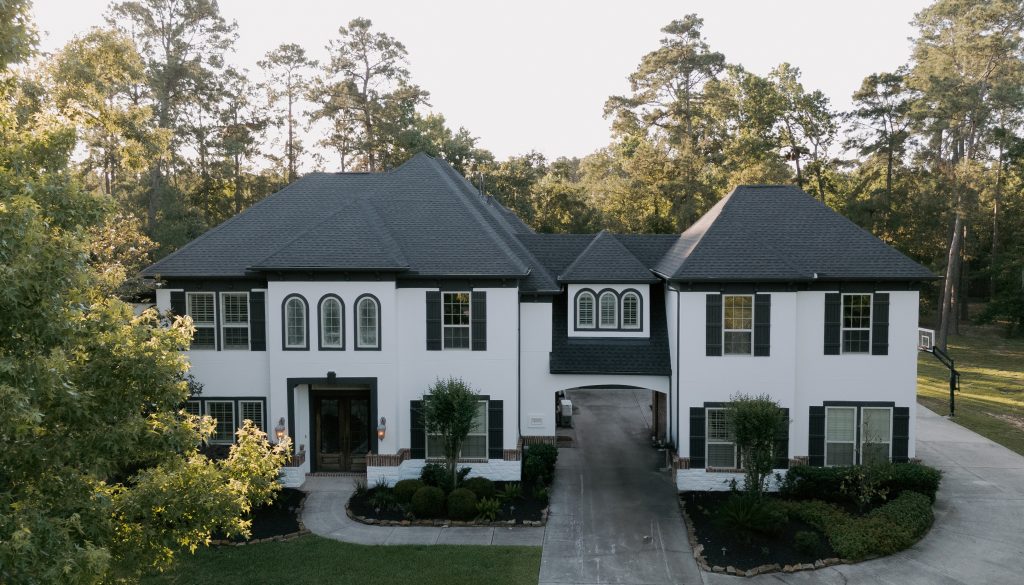
The latest siding color trends for residential homes lean toward warm neutrals, earthy greens, deep blues, and bold charcoal tones. Homeowners in Southeast Texas should also factor in local climate conditions—intense sun, humidity, and heavy rain—when selecting colors and materials. Lighter shades tend to reflect heat, while darker hues create striking visual contrast when paired with durable siding materials.
Your home’s exterior makes a statement before anyone steps through the front door. Siding color is one of the single biggest contributors to curb appeal, and the choice you make today will shape how your home looks—and how you feel about it—for years to come. Get it right, and the payoff is a cohesive, polished exterior that turns heads on the street.
Exterior color choices also affect more than just aesthetics. The right shade can influence how well your siding holds up to the elements, how often it needs cleaning, and how your home is perceived by prospective buyers. That’s why more homeowners today are approaching color selection as a long-term design decision, not just a personal preference.
The good news? There’s never been a wider range of inspiring options. From warm whites and soft grays to bold sage greens and deep navy blues, the latest siding color trends for residential homes strike a balance between timeless appeal and fresh, modern design.
Why Does Siding Color Matter for Your Home?
First impressions are formed fast. A home with a well-chosen exterior color looks cared for, intentional, and welcoming. One with faded or mismatched siding can undermine an otherwise beautiful property.
Beyond first impressions, siding color plays a direct role in:
- Architectural harmony: Colors that complement your home’s style—whether craftsman, colonial, or contemporary—create a unified look rather than a clashing one.
- Neighborhood fit: A color that works beautifully with surrounding homes adds to the overall streetscape, which matters both aesthetically and practically if you’re ever selling.
- Long-term satisfaction: Trendy colors can feel dated quickly. Choosing a color with staying power means you’re less likely to want a refresh in five years.
- Perceived property value: A well-maintained, attractively colored exterior signals quality to buyers and visitors alike.
Latest Siding Color Trends for Residential Homes
Here’s a look at the house siding colors homeowners are gravitating toward right now, along with what makes each one work:
- Warm White: Clean, bright, and endlessly versatile. Warm whites suit nearly every architectural style—from farmhouses to modern builds—and pair beautifully with darker trim for contrast. Low-maintenance on lighter finishes.
- Soft Gray: A sophisticated neutral that reads as modern without feeling cold. Soft grays work especially well on contemporary and transitional homes. They hide surface dust better than bright whites.
- Greige (Gray-Beige): The hybrid tone that earned its place in exterior design. Greige adds warmth without the starkness of pure gray, complementing stone accents, cedar details, and varied roof tones with ease.
- Charcoal: Bold and increasingly popular. Charcoal siding creates dramatic visual impact and pairs naturally with natural wood or metal accents. Best suited to homes with strong architectural lines. Requires fade-resistant materials in sunny climates.
- Deep Blue (Navy): A color that communicates confidence and character. Navy siding looks striking on craftsman bungalows and traditional two-story homes. Pairs beautifully with white trim and warm wood details.
- Sage Green: One of the fastest-growing trends in residential siding. Sage green feels organic and calming, blending naturally with landscaping. Complements both modern farmhouses and cottage-style homes.
- Olive Green: Deeper and earthier than sage, olive green gives a home a grounded, natural feel. It suits properties with mature trees or stone accents particularly well.
- Earth Tones (Terracotta, Clay, Warm Brown): Earthy hues connect a home to its natural surroundings. These tones work especially well in regions with natural landscaping, and they wear well over time.
- Sand and Beige: A perennial classic. Sand tones feel warm and inviting, and they complement brick foundations and stone veneer without competing. Easy to maintain visually across seasons.
- Modern Black Accents: Not a full-exterior color, but black is increasingly used on trim, shutters, and window frames to add definition and a contemporary edge to any base color.
Exterior Siding Color Ideas for Homeowners
Need some practical starting points? These exterior siding color ideas for homeowners offer proven combinations that work well across a range of architectural styles:
- White siding with black trim – Clean, high-contrast, and enduringly popular on modern and farmhouse-style homes
- Gray siding with white trim – A classic pairing that reads as polished and quietly sophisticated
- Navy siding with cedar accents – Rich and layered, ideal for craftsman bungalows or transitional designs
- Beige siding with brown trim – Warm, grounded, and versatile across traditional and colonial styles
- Sage green with cream trim – Soft and organic, especially effective alongside natural landscaping
- Charcoal siding with natural wood details – Contemporary and dramatic, suited to modern architecture with strong lines
- Earth-tone siding with stone veneer – Earthy and textural, adding depth and character to any exterior
These exterior siding color ideas for homeowners are a useful reference point, but the best combinations ultimately depend on your home’s specific architecture, site conditions, and your personal taste.
What Siding Colors Work Best in Southeast Texas?
Southeast Texas presents unique challenges for exterior finishes. Intense sun, high humidity, heavy seasonal storms, and warm temperatures year-round all influence which siding colors perform best over time.
Here’s what to keep in mind:
- Sun and heat: Dark colors absorb more heat. In a Southeast Texas climate, lighter shades tend to reflect sunlight and keep your exterior cooler. That said, high-quality siding materials with UV-resistant finishes can make darker colors a viable and stylish option.
- Humidity and moisture: Humid conditions accelerate fading and can cause color to look uneven over time. Look for siding with moisture-resistant properties, regardless of color.
- Dirt and debris: Heavy rain and storm activity can leave residue on your exterior. Mid-tone shades—greiges, soft grays, warm tans—tend to mask surface dirt better than very light or very dark extremes.
- Fade resistance: This is critical in Southeast Texas. Whatever color you choose, prioritize materials with built-in fade resistance to preserve the finish for the long term.
Lighter hues remain a practical and popular choice across the region, but bold colors like deep navy, charcoal, and sage green are gaining ground—particularly when paired with durable, fade-resistant siding materials.
How Does Siding Material Affect Your Color Options?
Color availability and performance vary across siding materials. Here’s a quick overview:
- Vinyl siding is available in a wide range of colors and doesn’t require painting. It’s cost-effective and low-maintenance, though darker vinyl colors may be more susceptible to fading in high-UV environments.
- Fiber cement siding holds paint exceptionally well and is highly resistant to moisture, fire, and pests. It’s a strong performer in Southeast Texas conditions and offers excellent color longevity.
- Wood siding delivers a natural, classic look and can be painted or stained in virtually any color. It requires more maintenance than other options, particularly in humid climates.
- Engineered wood siding combines the aesthetic warmth of real wood with improved durability and dimensional stability, making it a practical choice for homeowners who want a wood look with better resistance to the elements.
Each material has its own strengths and trade-offs. The right choice depends on your budget, maintenance preferences, and design goals.
Ready to Choose Your Siding Color? Adams Roofing, LLC Can Help.
Choosing the right siding color is just the beginning. To get the results you’re after, professional installation using quality materials makes all the difference—especially in Southeast Texas, where weather conditions put your exterior to the test.
Adams Roofing, LLC offers vinyl, fiber cement, wood, and engineered wood siding solutions designed to boost curb appeal, improve durability, and protect your home from the elements. Serving homeowners across Southeast Texas, the Adams Roofing team brings hands-on expertise to every siding installation and replacement project.
Contact Adams Roofing, LLC today to schedule your free consultation. Whether you’re planning a full siding replacement, a new build, or an exterior refresh, the team is ready to help you make the right call on materials, colors, and installation.
Frequently Asked Questions
What siding colors are most popular right now?
Warm whites, soft grays, greige, charcoal, and deep navy are among the most popular siding colors for residential homes. Earth tones and sage green are also trending, particularly for homes with natural landscaping or craftsman-style architecture.
Which siding color adds the most curb appeal?
High-contrast combinations—such as white siding with black trim or charcoal siding with natural wood accents—tend to create the strongest visual impact. That said, curb appeal depends heavily on how well the color complements the home’s architecture, roof tone, and surrounding environment.
What siding colors work best in hot climates like Southeast Texas?
Lighter shades reflect sunlight and are a practical choice in hot, sunny climates. However, modern siding materials with UV-resistant finishes allow homeowners to use darker, bolder colors without sacrificing durability. Mid-tones like greige and soft gray are a versatile middle ground.
Should my siding color match my roof color?
Your siding doesn’t need to match your roof—but it should complement it. The goal is contrast and harmony, not an exact match. A warm-toned roof pairs naturally with warm neutrals; a charcoal or slate roof works well with a wide range of siding colors, from white to deep blue.
Connect with us


Archives